


14mm vs 16mm Pickleball Paddle: A Practical Thickness Guide for Everyday Play

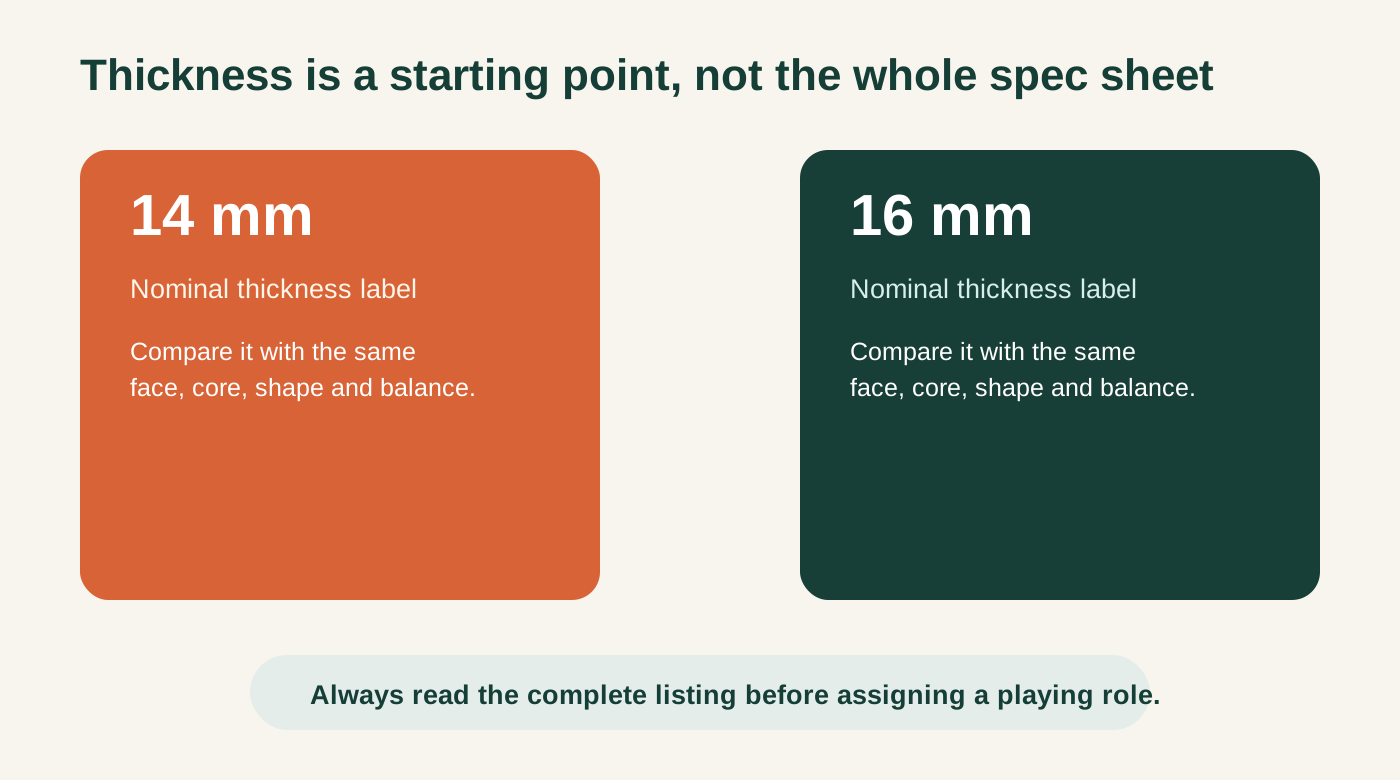
A 14 mm or 16 mm paddle label is a useful starting point, not the complete buying decision. Thickness belongs beside the face, core, shape, weight and grip. Read those details together, then make the final call with the shots you play most often.
What 14 mm and 16 mm tell you
On a pickleball paddle listing, 14 mm and 16 mm are nominal thickness labels. They are designed to help shoppers distinguish product configurations, but a number alone cannot describe the entire paddle in your hand.
For example, two 16 mm products can list different face materials, core types, shapes, balance points and handles. Two 14 mm products can do the same. Treat the millimeter figure as the first column in a comparison, then make room for the rest of the listing.
Compare thickness only after you match the rest of the build
| Comparison step | Why it belongs in the decision | What to look for on the listing |
|---|---|---|
| 1. Nominal thickness | It identifies the 14 mm or 16 mm configuration you are considering. | The thickness named for that exact model or option. |
| 2. Face and core | They are part of the construction surrounding the thickness label. | Listed face material and listed core material or construction. |
| 3. Shape and weight | They change the overall product configuration you will swing. | Model shape, stated weight information and handle details. |
| 4. Familiar shots | They turn a spec-sheet short list into an everyday choice. | Repeatable dinks, blocks, drives and returns. |
This sequence avoids using “14 mm” or “16 mm” as a one-word verdict. It also makes the guide useful when you are comparing products from different makers. For additional background, see Pickleball Cosmos’ thickness overview and Onix’s 14 mm vs 16 mm guide.

Current Dinkly thickness listings
At publication, Dinkly lists 16 mm for both Play and Fusion. That is a product-line snapshot, not an implication that Dinkly currently offers a 14 mm option. Always check the exact live configuration before placing an order.
| Dinkly product | Current thickness listed | Other listed construction detail | Useful next read |
|---|---|---|---|
| Dinkly Play | 16 mm | Fiberglass surface; polypropylene honeycomb core | Compare it with the complete selected product page. |
| Dinkly Fusion | 16 mm | Raw carbon fiber face | Compare the selected shape and the full live listing. |


If material is the question behind the thickness comparison, read our carbon fiber vs fiberglass guide. For construction language, see full-foam vs honeycomb.
Use a short, familiar court check
Once you have matched the full product listings, use the same ball and court conditions for a small repeatable routine. This makes a thickness comparison easier to apply to your own game.
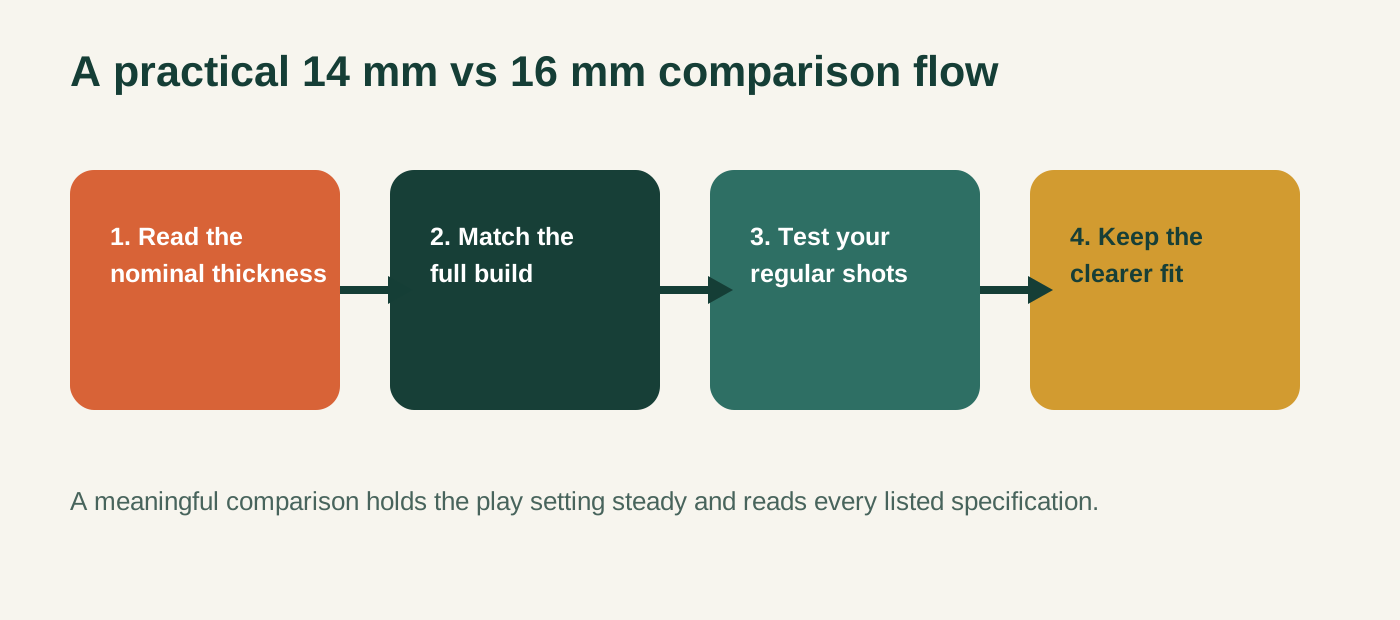
- Write down the two thickness labels. Make sure each number belongs to the exact model or option you are comparing.
- Match the rest of the construction. Read face, core, shape, weight and grip before drawing a conclusion from thickness.
- Repeat 12 regular shots. Use four dinks, four blocks and four returns with a familiar ball and target.
- Keep the clearer everyday fit. Choose the complete setup that you can repeat comfortably in the games you actually play.
Need another lens on your short list? Our swing weight vs static weight vs twist weight guide explains three different parameters without replacing this thickness step. If sanctioned eligibility matters for your event, check the exact model on the current USA Pickleball approved-equipment list.
Frequently asked questions
What do 14mm and 16mm mean on a pickleball paddle?
They are nominal thickness labels used on paddle listings. Read the selected model’s complete product page for its face, core, shape, weight and grip as well as the thickness.
Does 16mm always mean a control paddle?
No single thickness label determines a complete playing role. Compare like-for-like builds and use your usual shots to decide which full configuration is the better fit.
Which thickness do Dinkly Play and Fusion list?
Dinkly currently lists 16 mm for both Play and Fusion. Verify the selected configuration on the live product page before purchase.
How can I choose between 14mm and 16mm?
Start with the nominal thickness, then compare the full construction and repeat a familiar set of dinks, blocks, drives and returns. Choose the complete setup that works more consistently in your everyday game.
Product information checked on September 24, 2026: Dinkly Play and Dinkly Fusion live product pages. Further reading: Pickleball Cosmos, Onix, and USA Pickleball approved equipment.
Leave a comment