



Pickleball Paddle Swing Weight vs Static Weight vs Twist Weight: A Practical Buyer’s Guide

“Weight” is not one number. Static weight, swing weight and twist weight each describe a different part of how a pickleball paddle moves. Read the three together and you can make a much better shortlist—especially when you are choosing between Fusion shapes or looking for a swing that suits a more regular playing schedule.
The three numbers, in plain English
A paddle can have a familiar total weight and still move differently from another paddle. That is why the three measurements belong in the same conversation. Use them to ask better questions about your own game—not as a substitute for a comfortable grip and a few honest swings on court.
| Measurement | What it describes | Question to ask yourself |
|---|---|---|
| Static weight | The paddle’s total mass on a scale. | Does this overall weight feel comfortable through a full session? |
| Swing weight | Resistance you feel as the paddle accelerates through a swing; mass distribution matters here. | Does the paddle move through my drive and return at the pace I want? |
| Twist weight | Resistance to the face turning around its long axis on off-center contact. | How settled does the face feel during my normal blocks and resets? |
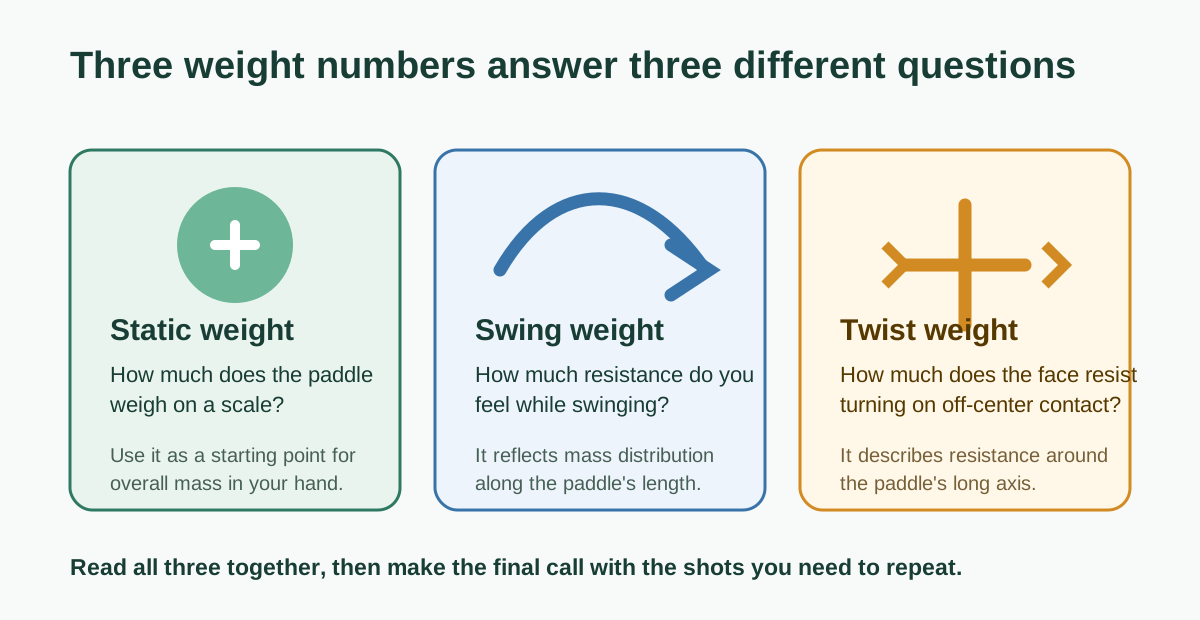
The useful distinction is simple: static weight is measured with the paddle still; swing weight is about accelerating it; twist weight is about face rotation. The technical overviews from Pickleball Science and Pickleball Cosmos are helpful references if you want a deeper explanation of the terms.
Read the spec sheet as a three-part story
Start with static weight because it is the easiest number to picture. Then add swing weight to understand how the paddle is likely to move in a drive, return or overhead motion. Finally, read twist weight beside the paddle’s shape and the shots where you most need the face to stay settled.
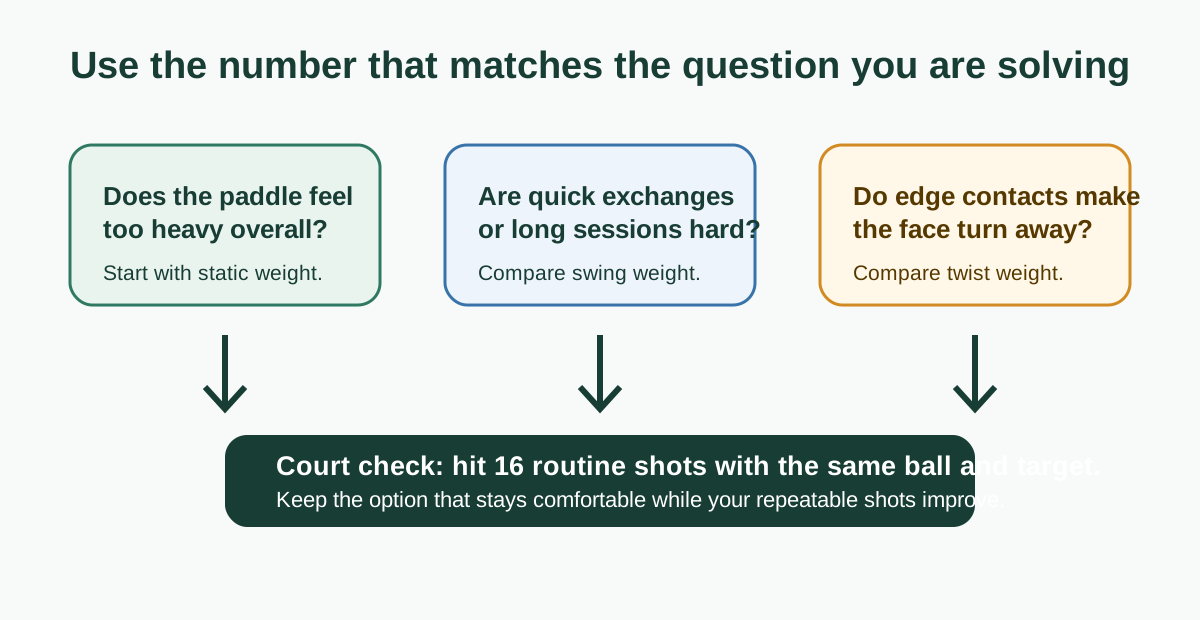
There is no single “right” number for every player. A player who is frequently late on drives may focus first on swing feel. A player who wants more confidence in routine blocks may pay closer attention to face stability. The key is to choose the measurement that matches the shot you are trying to make easier, then test it with the same short routine.
Dinkly Fusion: compare shape and listed weight data together
Fusion is a good example of why the three numbers belong together. Dinkly lists two shapes with close static-weight ranges but different swing-weight values. If you are selecting a Fusion configuration, use the listed numbers as a starting point and pair them with the reach and hand feel you prefer.
| Fusion configuration | Listed static weight | Listed swing weight | Listed twist weight | What to explore in your court check |
|---|---|---|---|---|
| Hybrid | 7.9–8.1 oz | 114 | 6.4 | Comfort through quick exchanges and your usual all-court routine. |
| Elongated | 8.0–8.2 oz | 118.6 | 6.3 | How the extra reach and swing feel fit your drives, returns and volleys. |


For a deeper shape-first comparison, see Hybrid vs Elongated Pickleball Paddle: Choosing a Dinkly Fusion Shape. For a broader decision on court needs, use the Power vs Control vs All-Court decision tree.
Use the same 16 shots to make the numbers useful
Write the three listed numbers down, then keep the test simple. With the same ball, target and partner where possible, take each paddle through four dinks, four blocks, four controlled drives and four returns.
- After the dinks, note whether the grip and total weight still feel comfortable.
- After the blocks, note whether you can present the face consistently to your target.
- After the drives, note whether the paddle moves through your normal swing without rushing you.
- After the returns, choose the paddle that helps your regular motion stay repeatable.
This turns three technical terms into a buying decision connected to the way you actually play. The overview from Drive Dink offers an additional shape-and-balance perspective.
Frequently asked questions
What is the difference between static weight and swing weight in a pickleball paddle?
Static weight is the paddle’s total mass on a scale. Swing weight describes how resistant the paddle feels when you accelerate it through a swing, which depends on how that mass is distributed along its length.
What does twist weight mean in pickleball?
Twist weight describes resistance to turning around the paddle’s long axis when the ball contacts away from the center. It is useful to compare alongside shape, grip and the way a paddle feels during your routine blocks and resets.
What weight numbers does Dinkly Fusion list?
Fusion Hybrid is listed at 7.9–8.1 oz with a swing weight of 114 and a twist weight of 6.4. Fusion Elongated is listed at 8.0–8.2 oz with a swing weight of 118.6 and a twist weight of 6.3. Check the selected configuration on the product page.
How can I compare paddle weight numbers before buying?
First make sure the grip is comfortable. Then use the same ball and target for a short set of dinks, blocks, drives and returns. Notice which paddle stays comfortable and helps you repeat your normal shots through the full set.
Ready to compare a configuration? Visit Dinkly Fusion, choose a shape, and use the listed numbers with the short court routine above.
Leave a comment